YOUR PERFECT PERIOD
FREE WORKSHOP
Say goodbye to PMS, painful periods, health symptoms, and guessing about your hormones.

• 50–90% of women experience painful periods during their reproductive years (ACOG, 2020)
• 71% of women worldwide report menstrual pain (Armour et al., 2019)
• 14–25% of women experience irregular menstrual cycles (NICHD, 2021)
• Up to ~80% of women report premenstrual symptoms such as mood changes, fatigue, bloating, and irritability (Rapkin & Lewis, 2013)
This is not normal
Yet millions of women are told:
“Everything looks normal.”
“This is just part of being a woman.”
“Birth control will regulate it.”
So they keep pushing through the symptoms.
Month after month. Year after year.
But your cycle is one of the clearest vital signs of your health.
Pain, severe PMS, irregular cycles, fatigue, and bloating are signals from your body—not inconveniences to ignore.
And the longer you wait to understand them, the longer your body stays stuck asking for support.
This workshop is where that changes.
Inside Your Perfect Period, we'll decode what your symptoms are actually telling you and show you how to begin restoring hormonal balance through:
• nutrition
• nervous system regulation
• daily rhythms and lifestyle
• understanding your cycle as a health signal
When you learn how to listen to your body instead of overriding it, everything begins to shift.
No more guessing.
No more waiting for things to magically fix themselves.
It’s time to take your health back for good.
Most period advice doesn't work because its a Bandaid
If you’ve tried supplements, diets, birth control, or random wellness tips and your symptoms are still showing up every month, it’s not because you’re doing something wrong.
Most period advice focuses on controlling symptoms, not understanding why your body is creating them.

Your cycle is deeply intertwined with your whole system—including nutrition, stress, sleep, inflammation, and nervous system health.
When these are out of alignment, your hormones respond.
That’s when symptoms appear:
Painful periods.
PMS that hijacks your mood.
Irregular cycles.
Bloating and fatigue.
PCOS, Endo, fibroids, etc...
Your body isn’t failing you.
It’s communicating with you.
And once you understand those signals, you can stop guessing and start supporting your body in a way that actually creates change.
Your diagnosis is not your destiny
Many women are given labels like PCOS, endometriosis, PMS, PMDD, or “hormonal imbalance” and told their only option is to manage symptoms or suppress their cycle.
But these diagnoses are signals from the body, not permanent identities.
Your hormones respond to things like nutrition, stress, inflammation, sleep, and nervous system health.
When the body is supported, many women see more regular cycles, less pain and PMS, and a return to hormonal balance.
Your body's natural state is health and it know how to move toward balance—it just needs the right support.
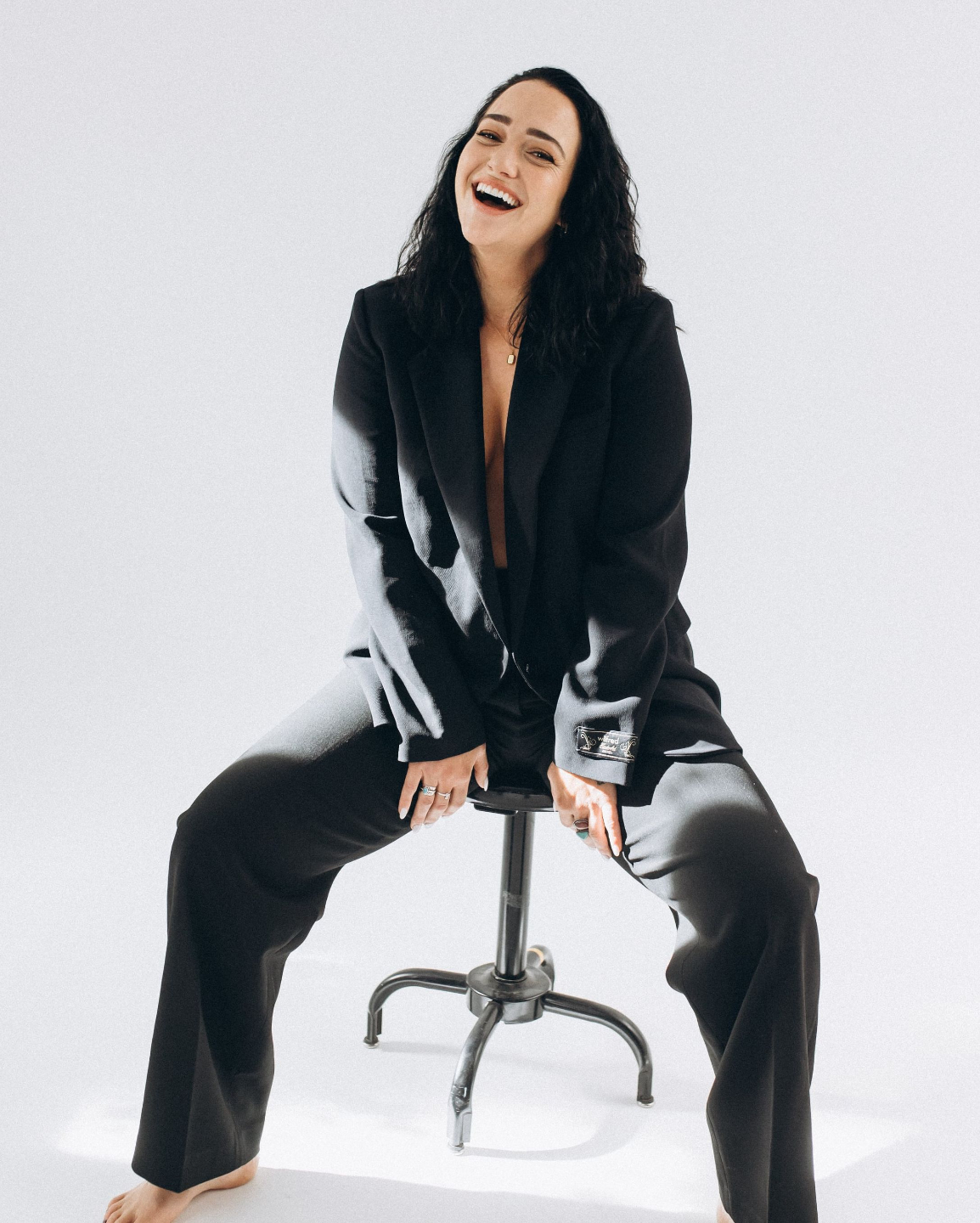

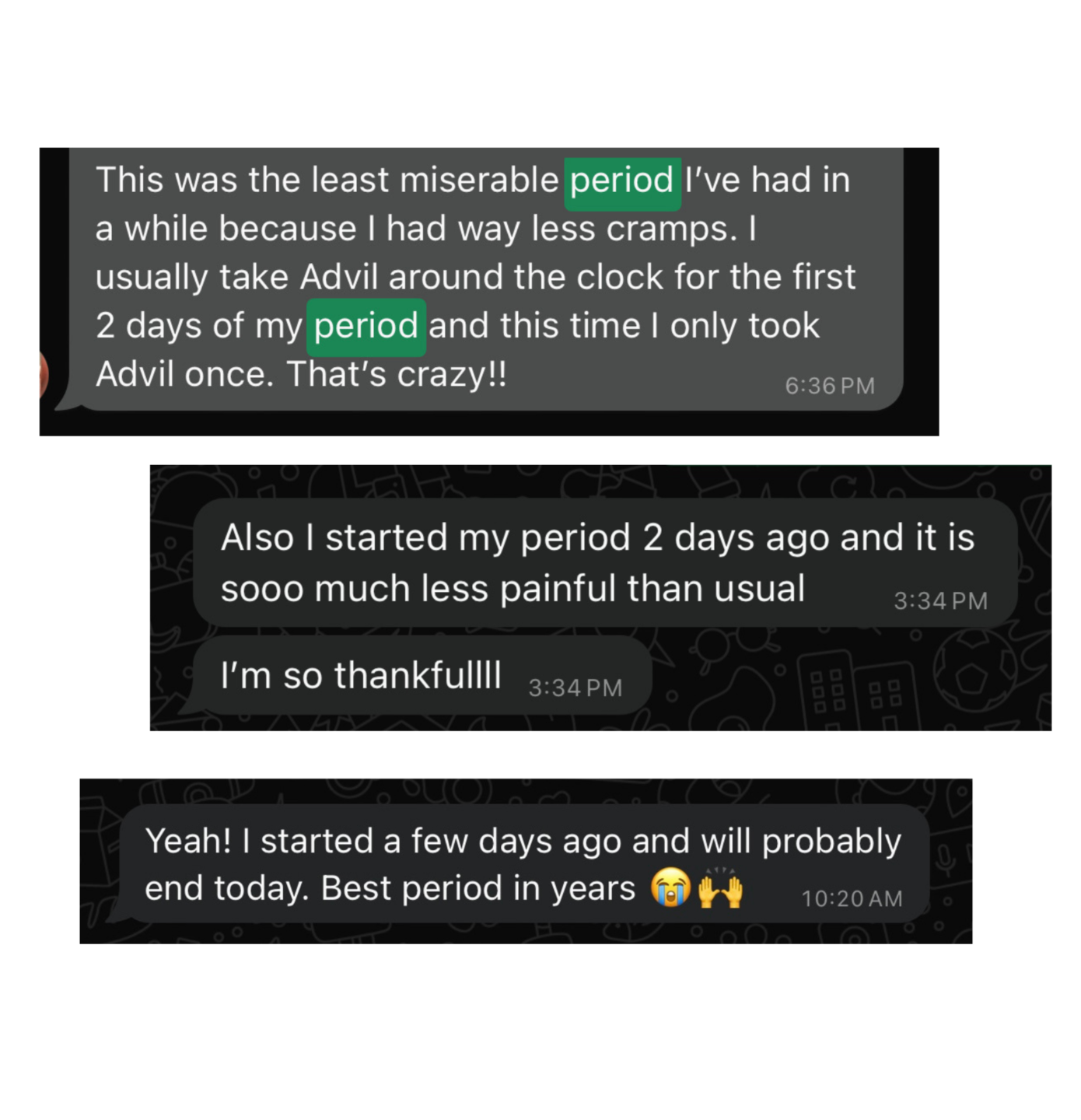
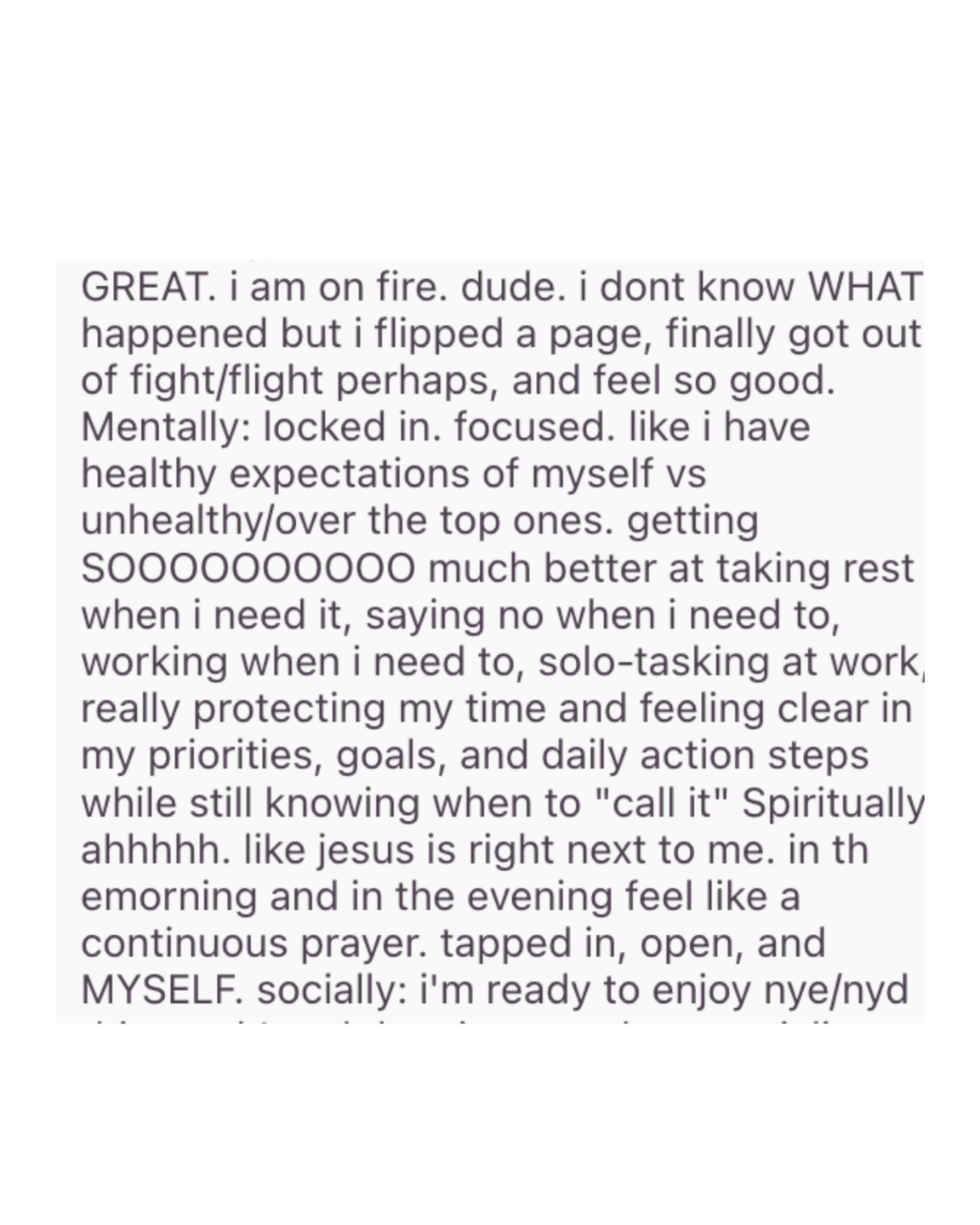
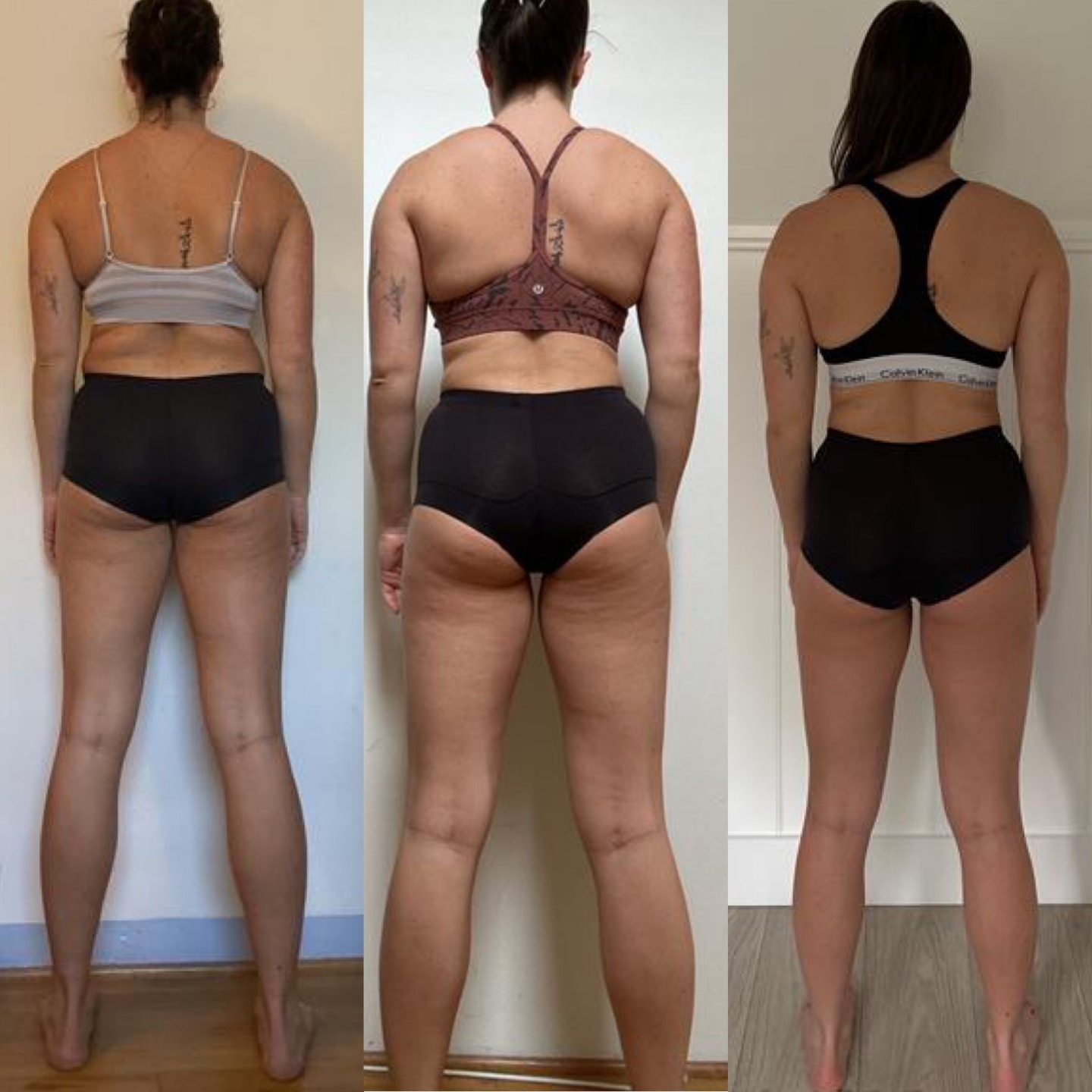
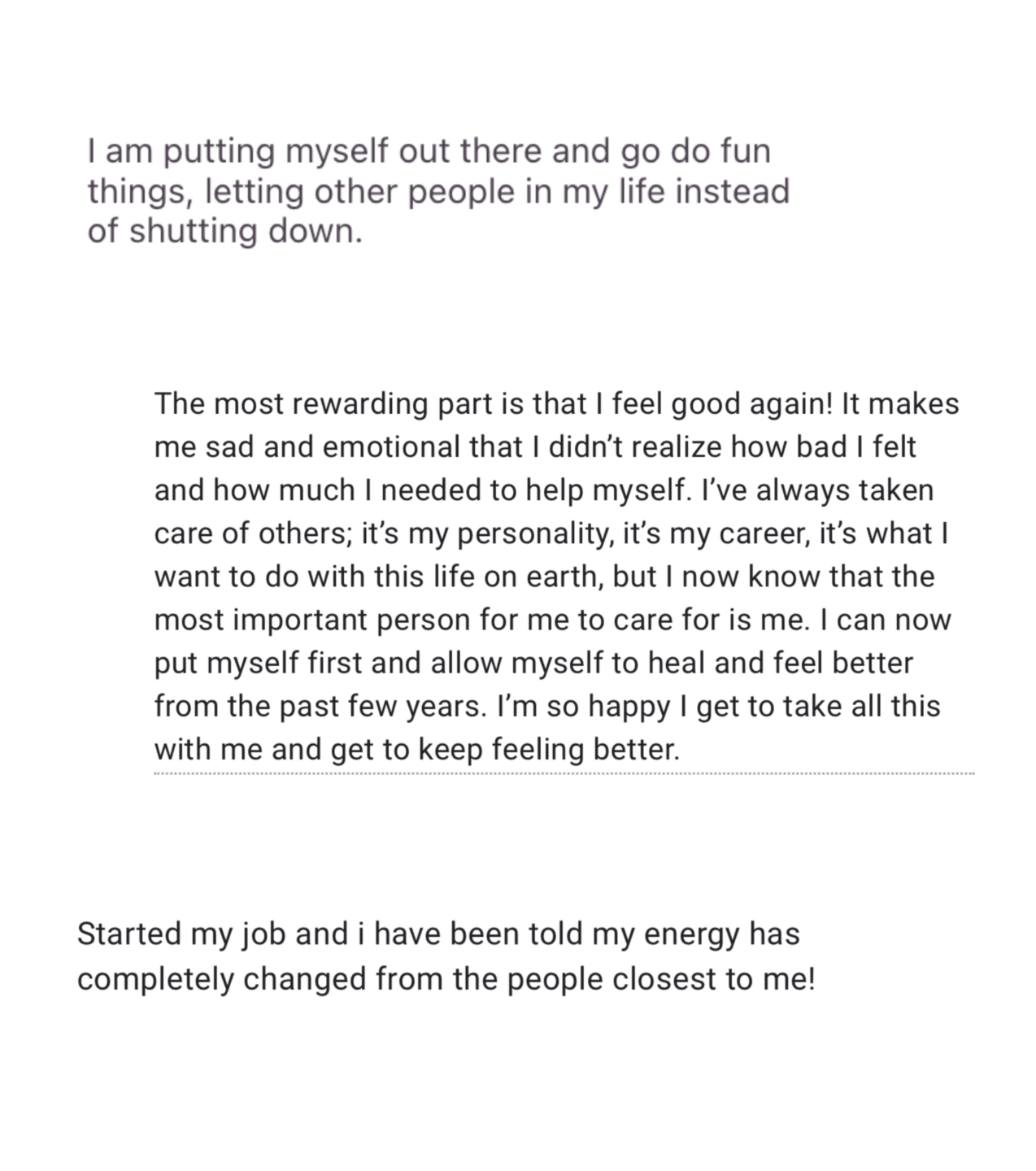
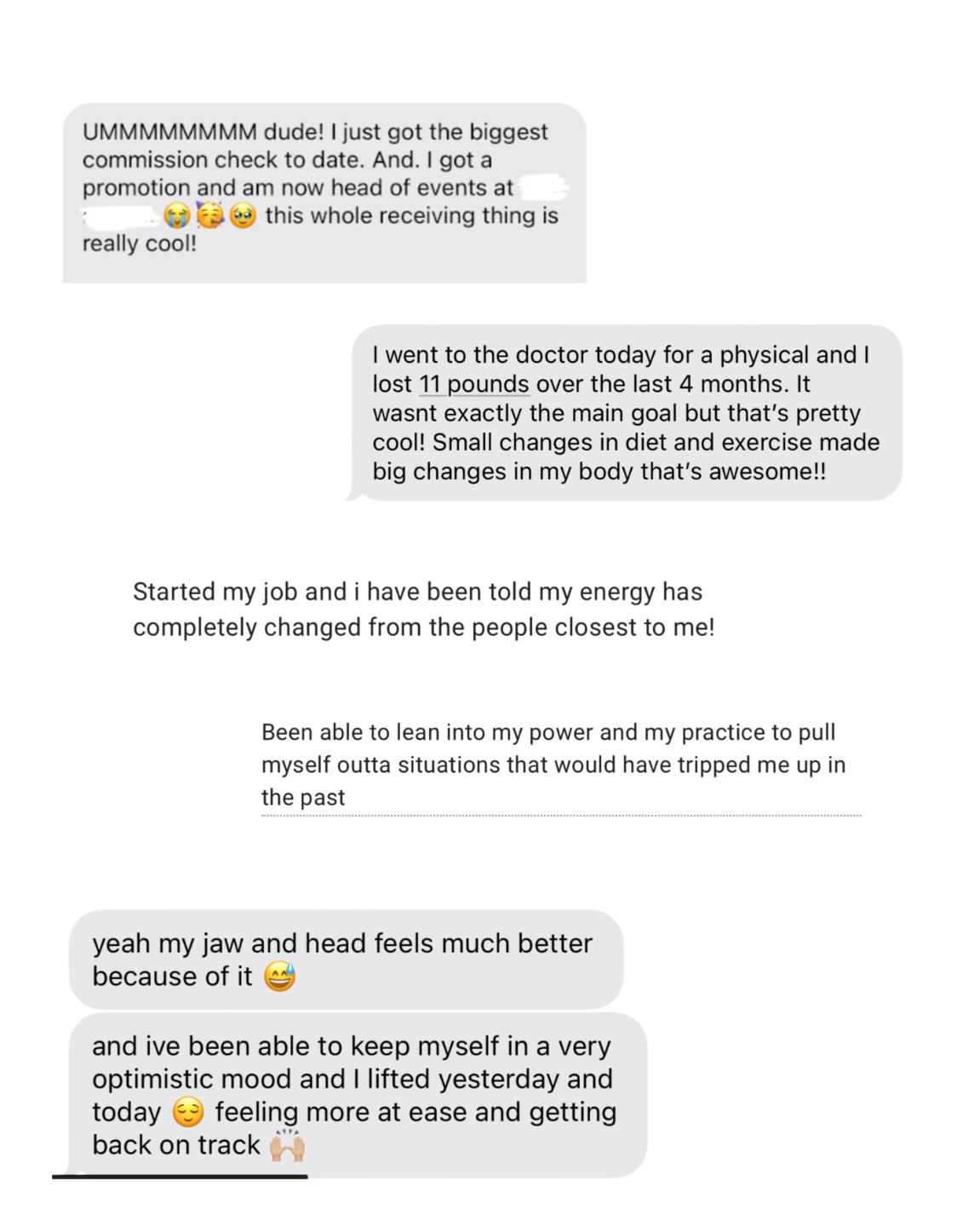
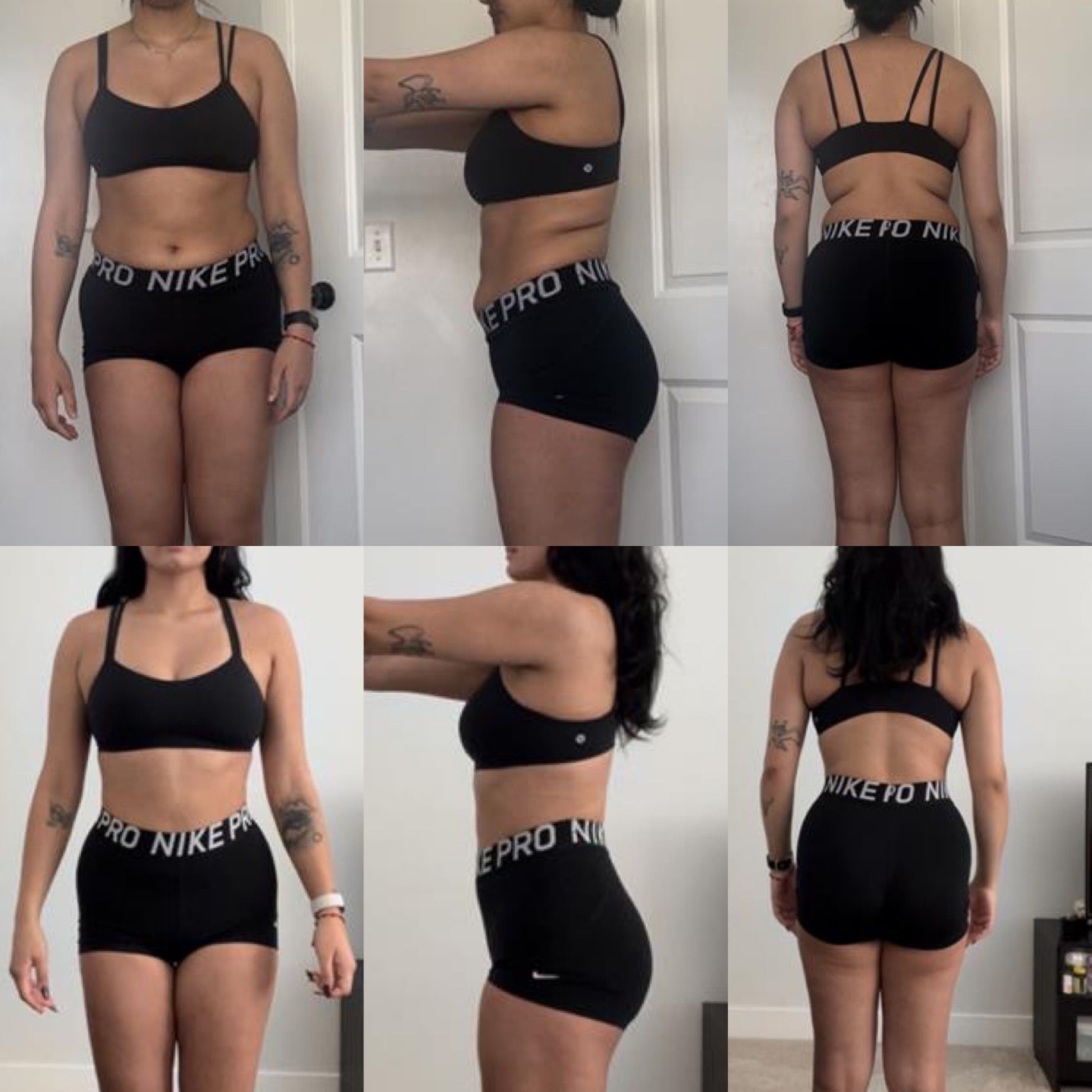
Experience the magic too...
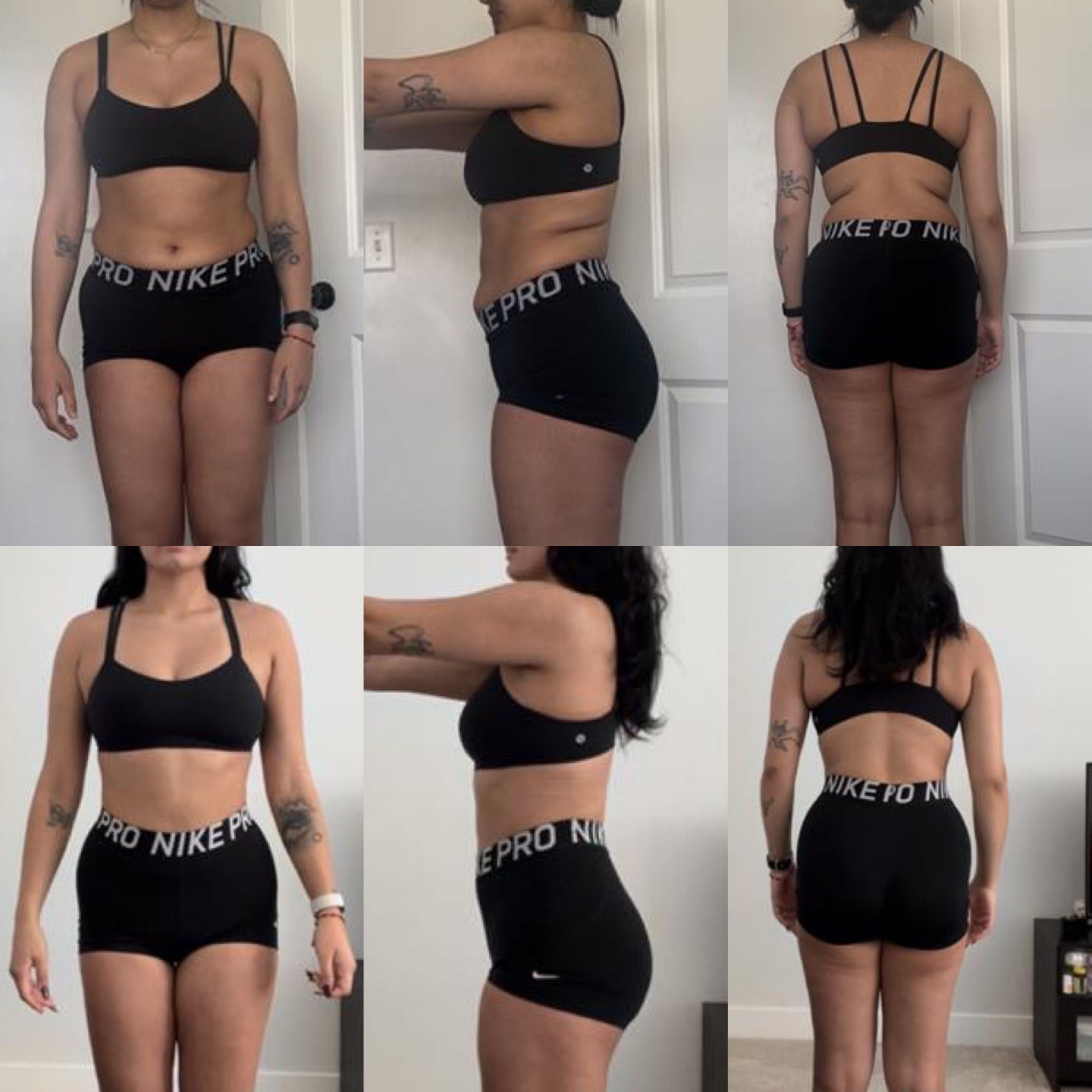
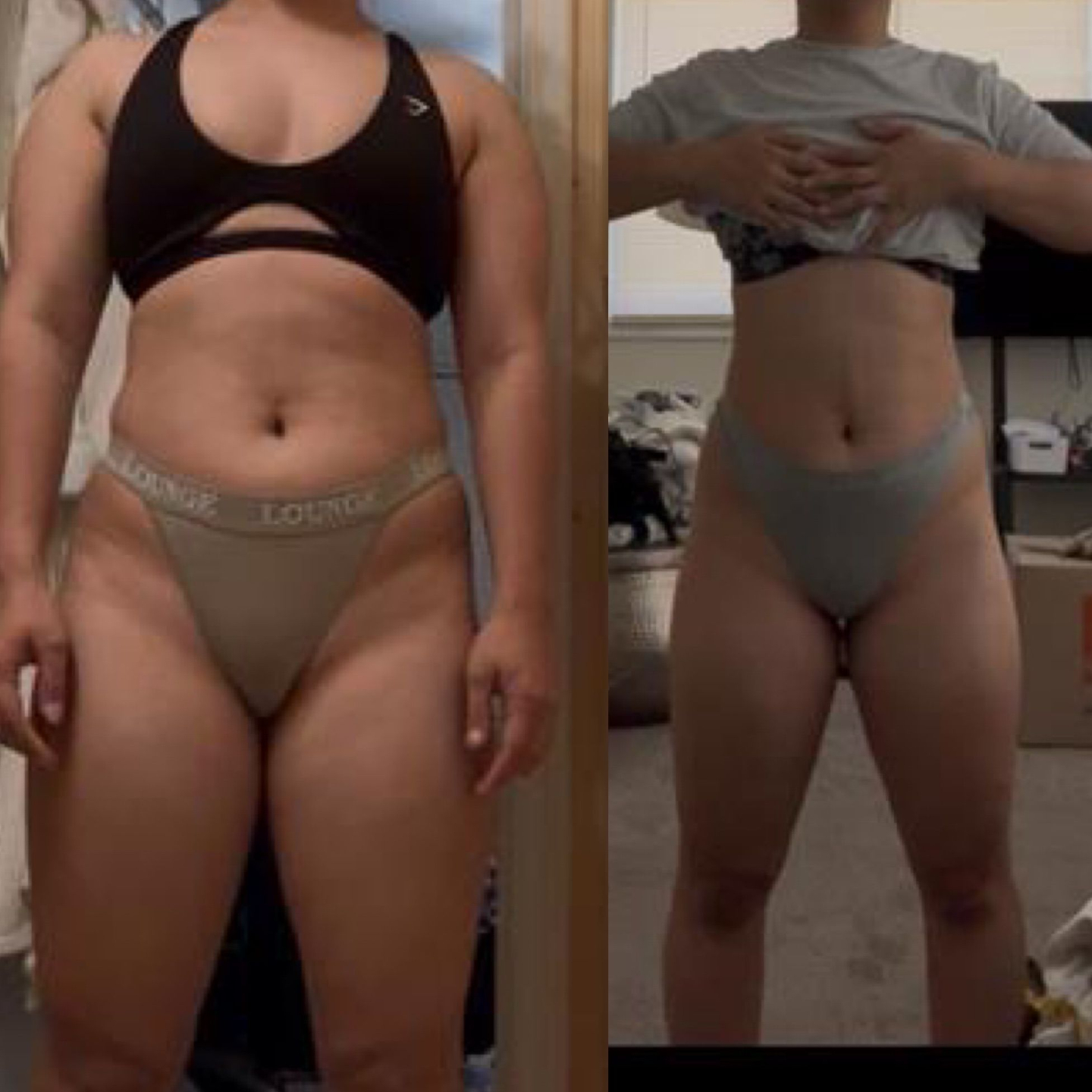
Watch While It's Free
If you’ve ever felt like your cycle or health symptoms was something to manage, push through, or ignore…
This workshop will show you how to start understanding and working with your body instead.
References
Armour, M., Parry, K., Manohar, N., et al. (2019). The prevalence and academic impact of dysmenorrhea in women: A systematic review and meta-analysis. Journal of Women's Health.
Ju, H., Jones, M., & Mishra, G. (2014). The prevalence and risk factors of dysmenorrhea. Epidemiologic Reviews.
Rapkin, A. J., & Lewis, E. I. (2013). Treatment of premenstrual dysphoric disorder. Women’s Health.
National Institute of Child Health and Human Development (NICHD). (2021). Menstrual irregularities.
American College of Obstetricians and Gynecologists (ACOG). (2020). Dysmenorrhea and endometriosis in adolescents.
